Vaianu and Town Basin
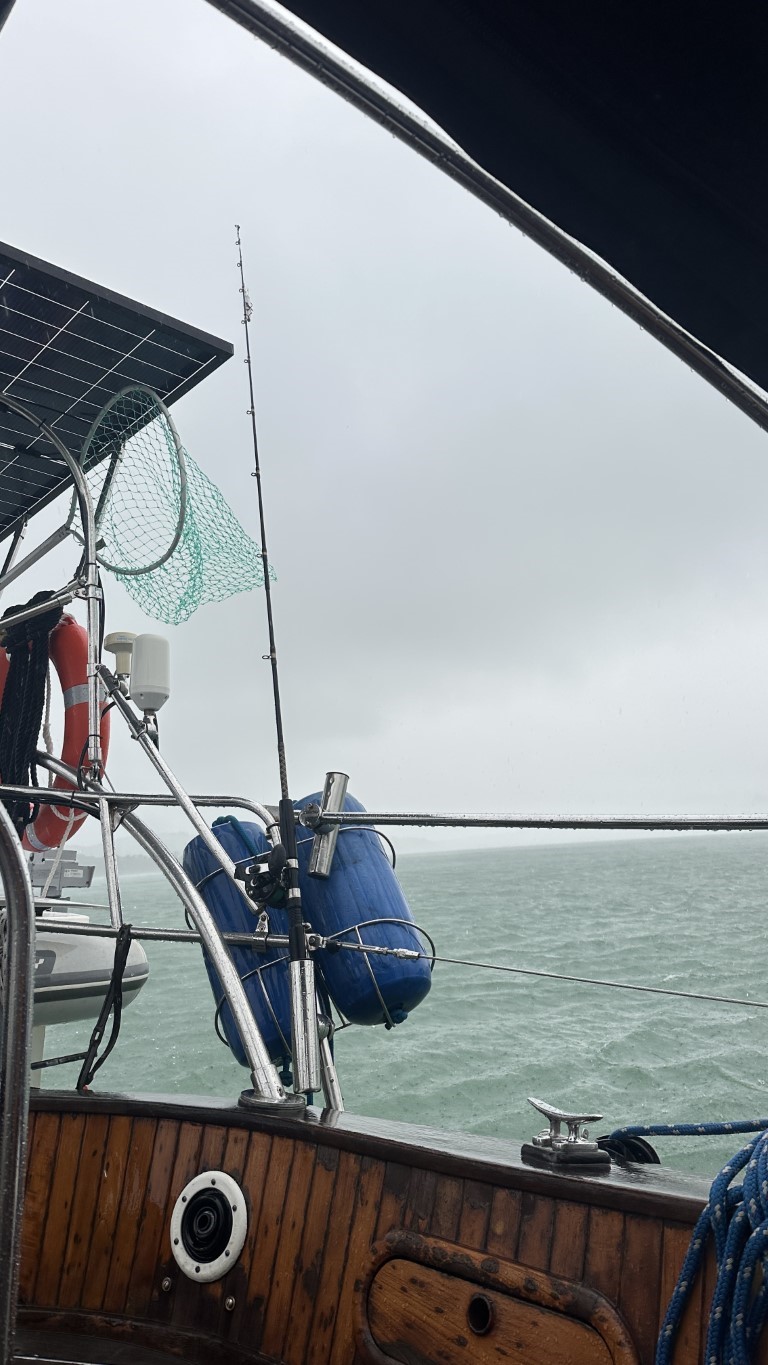
That’s about the worst of it. The Nook took care of us nicely
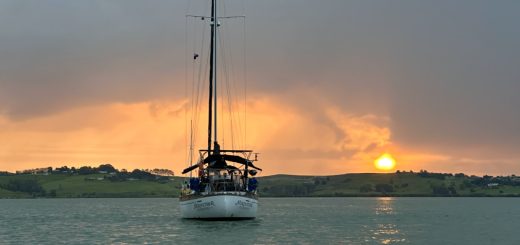
Kerri and I spent a few days tucked into The Nook, hiding from what was forecast to be a pretty solid blow. As it turned out, The Nook did exactly what we needed it to do, cutting the wind down enough that what could have been a rough few days turned into something far more manageable. Instead of getting hammered, we dealt with the occasional gust pushing into the low 20s, and that was about it. After the chaos of those final days on Great Barrier, it gave us a chance to reset—rest a bit, settle back into the rhythm of boat life, and pretend, briefly, that things were calming down.
That illusion didn’t last long. Another system had already started organizing itself and making its way toward us, and this one was the real reason we ran from the island in the first place. The first blow had been forecast in the 40–50 knot range, which is enough to get your attention, but this next one had a name – Vaianu – and that alone tells you everything you need to know. A named storm means business, and in this case it had a cyclone suit on. Our memories of last year’s Cyclone Tam were still fresh enough that we didn’t need much convincing. Once was plenty. We had no interest in sitting at anchor and seeing how this one compared.
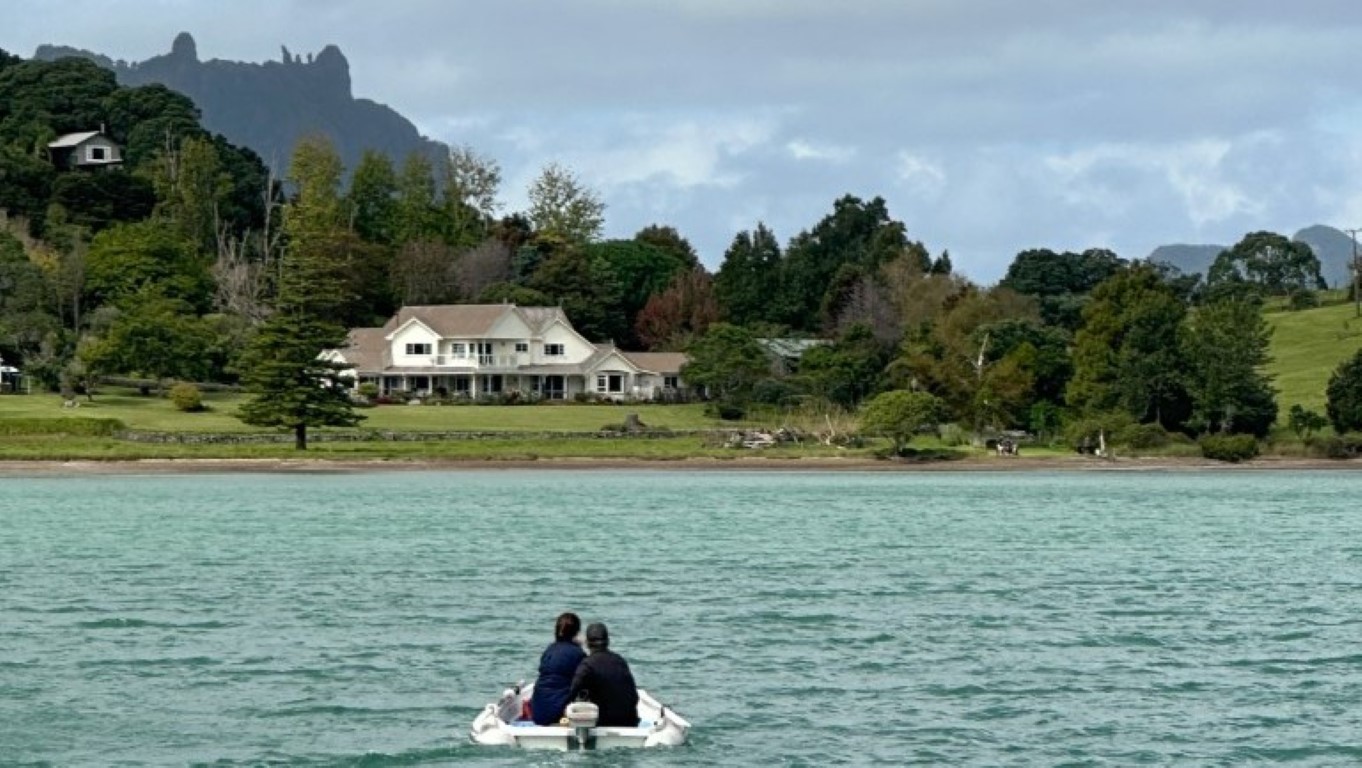
Ann, who we met in WA State in 2025, came by for a visit
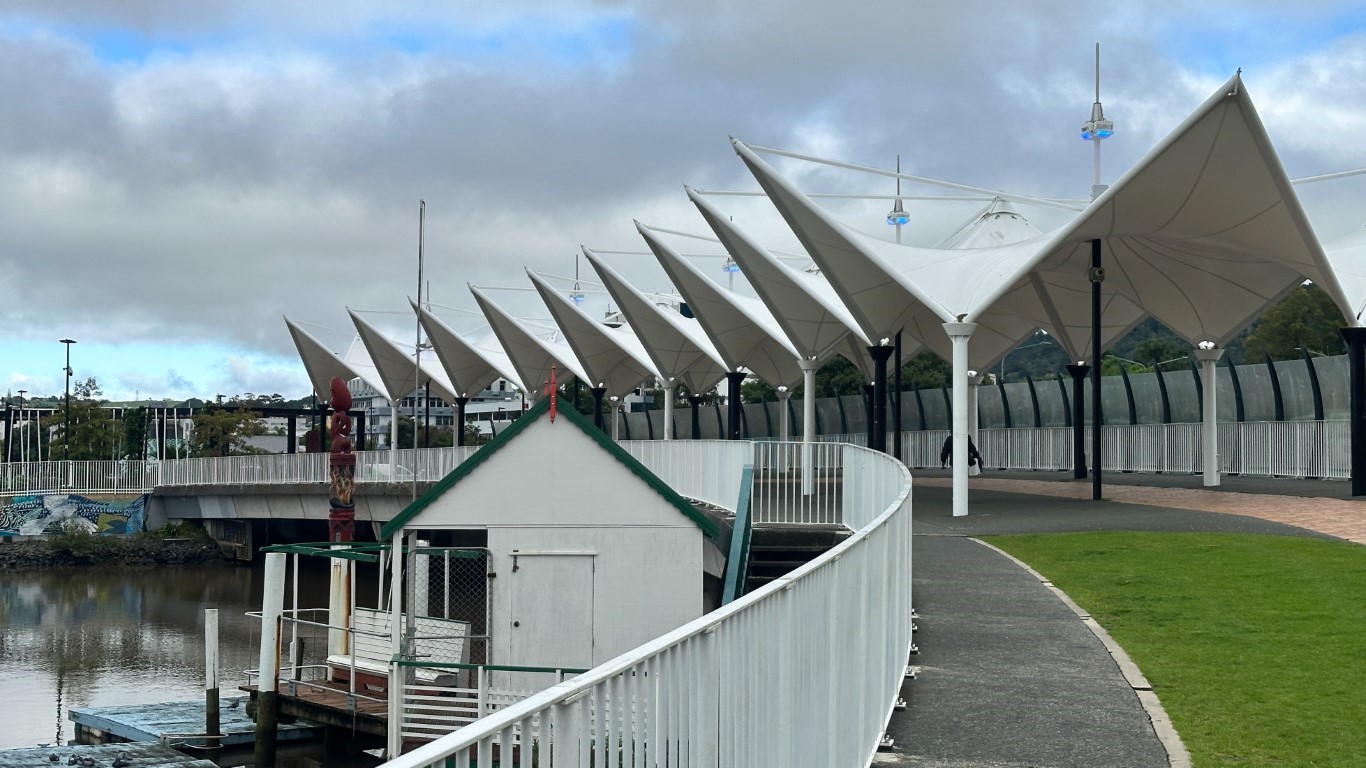
The advantage of being back on the mainland quickly became obvious. Up river sat Town Basin Marina, more than ten miles removed from the open Pacific, offering protection that no anchorage could realistically match in those conditions. It also happened to sit right in the middle of Whangarei, which meant something we hadn’t had in a while—easy access to civilization. Restaurants, groceries, hardware stores, and all the little conveniences that make life easier when you’ve got a list of projects to knock out. We booked a week without hesitation, fully intending to ride out Vaianu in comfort while also chipping away at everything we needed to get done before heading toward Fiji.
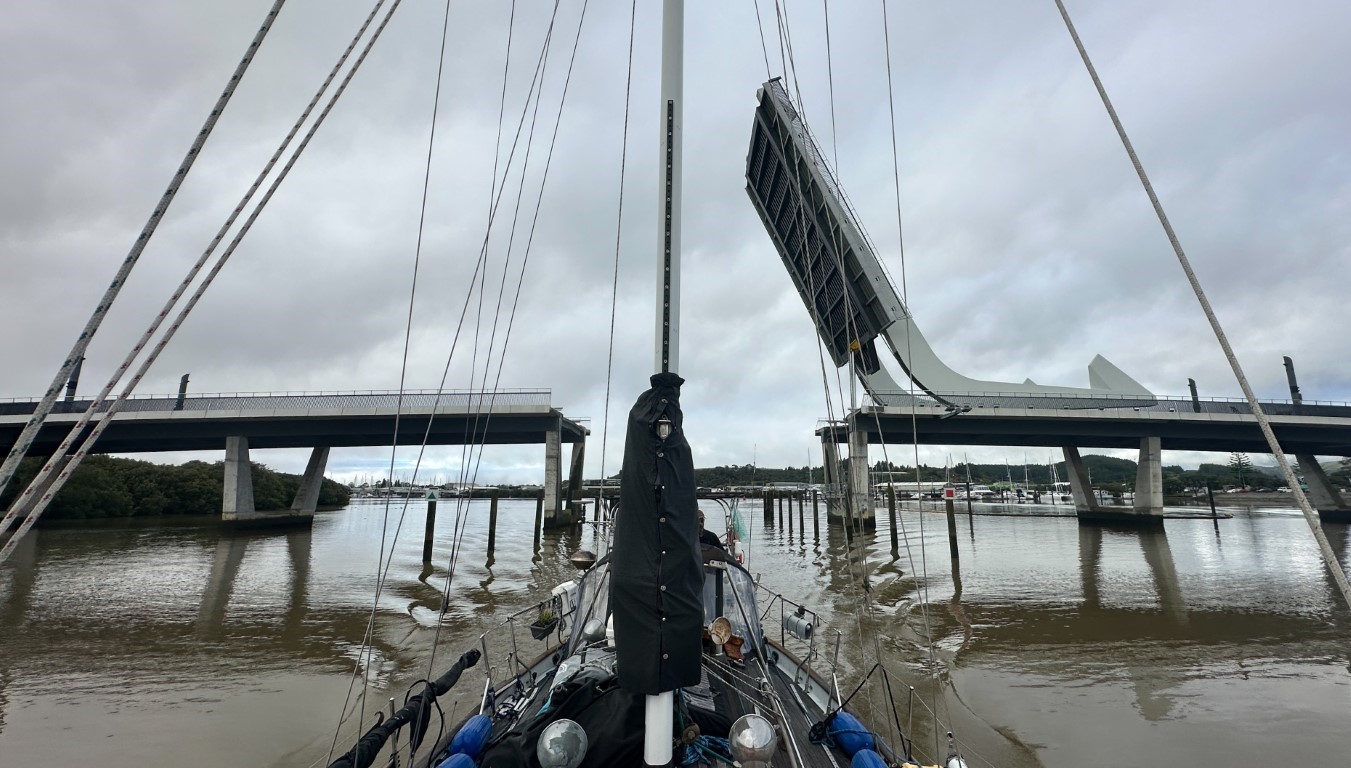
Getting there required a bit of timing, mostly with the tides, since the river will remind you who’s boss if you get it wrong. We left early and motored the two hours upstream, keeping a close eye on the depth and making sure Meriwether stayed floating instead of plowing. It was an easy enough run, calm and uneventful, until we reached the final obstacle just a couple miles from the marina—the Te Matau A Pohe bridge.
The thing sits low enough that it looks like it was designed specifically to ruin the day of anyone with a mast. For us, that meant a full stop and a call on the VHF to request an opening. The bridge operator came back quickly, told us ten minutes, and just like that we were in limbo. Now, boats don’t exactly “wait” in place. They wander. Wind and current take over, and suddenly you’re drifting in a river that isn’t all that wide to begin with. Normally I’d deal with that by just idling back and forth, keeping control of the situation like a shark that can’t stop swimming. But for whatever reason – call it laziness, confidence, whatever – I dropped it into neutral and let nature take the wheel for those ten minutes.
Kerri, of course, was on high alert, watching every movement like we were seconds away from disaster. Meanwhile, Meriwether just spun and drifted casually, completely unbothered, as if this was all part of the plan. The bridge opened right on schedule, and I slipped her back into gear, guiding the mast cleanly between the spans without so much as a second thought.
The final challenge came just twenty minutes further up the river. With a cyclone on the way, I had zero interest in being tied up facing the wrong direction, with the wind blasting straight up Meriwether’s skirt. That’s the kind of setup that guarantees an uncomfortable few days, so we decided – conditions permitting – to back into the slip. Now, Meriwether is many things, but “good at backing up” is not one of them. I had a plan, but Kerri had doubts. Both of those things can be true at the same time, and usually are.
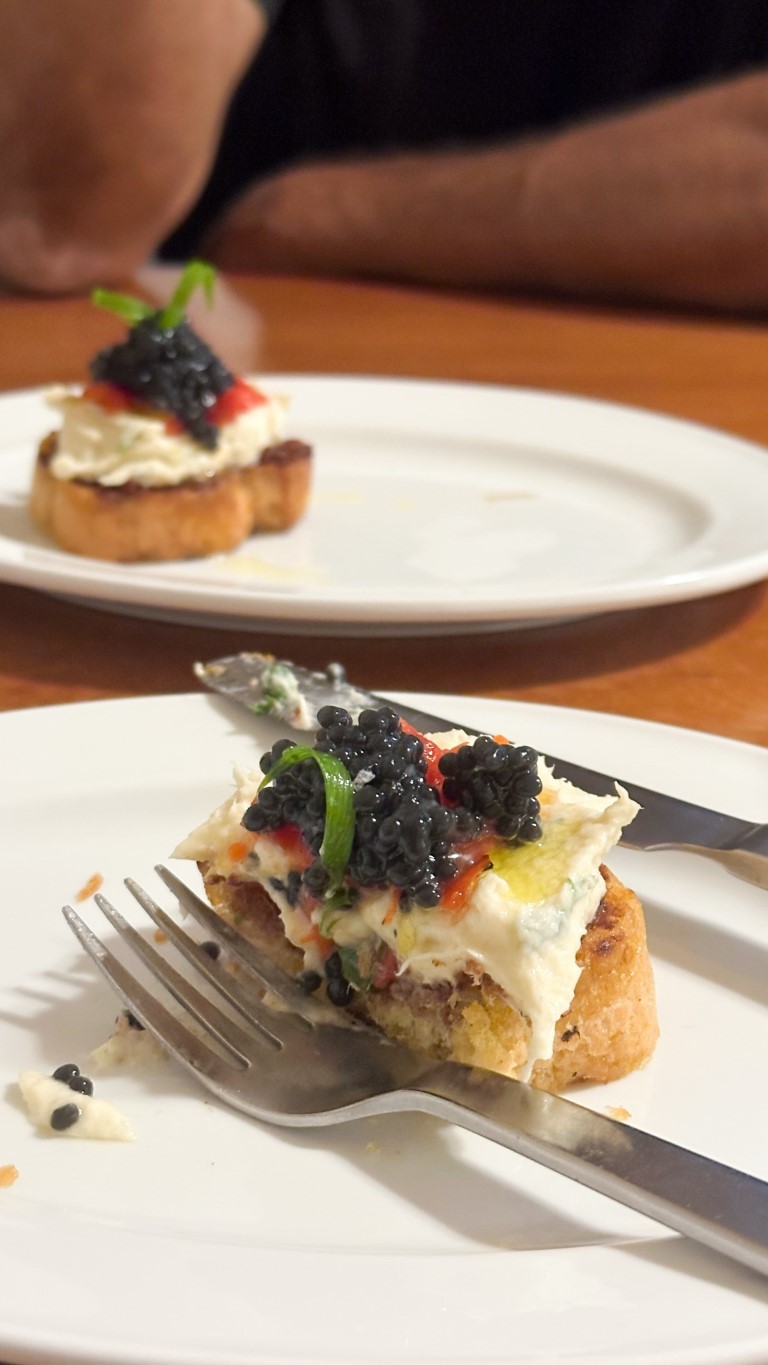
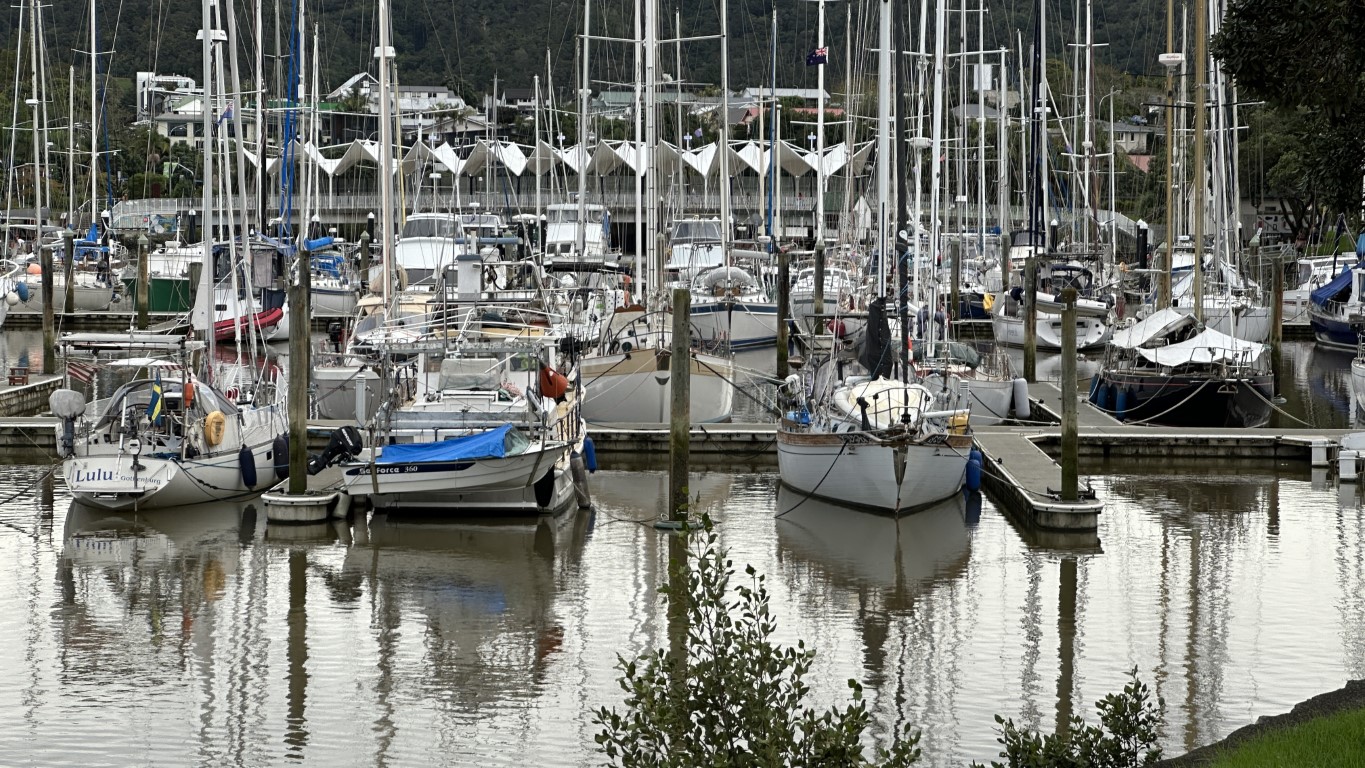
As we planned, we arrived at slack tide with almost no wind – one of those rare moments where everything lines up just right. I motored past the slip, turned away, dropped it into reverse, and let prop-walk do its thing. Like magic, the stern swung around exactly how I planned, and we eased backward into the slip with far less drama than expected. A quick half hour of doubling up dock lines and getting everything storm-ready later, we were officially tied up and back in dock-life mode. Which, naturally, meant abandoning any pretense of cooking and heading straight for restaurants while the vegetables in the fridge began their slow and predictable decline into rot.
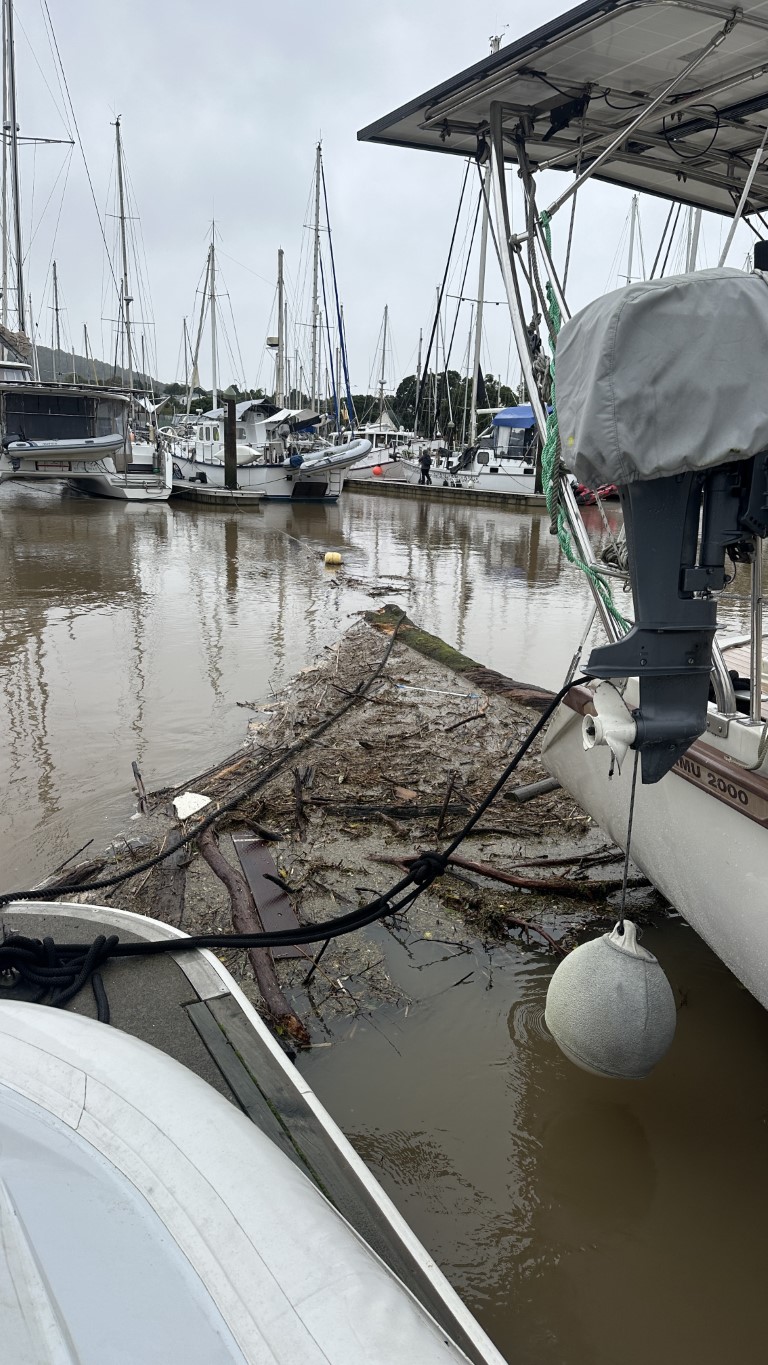
Vaianu did push a lot of trash up river
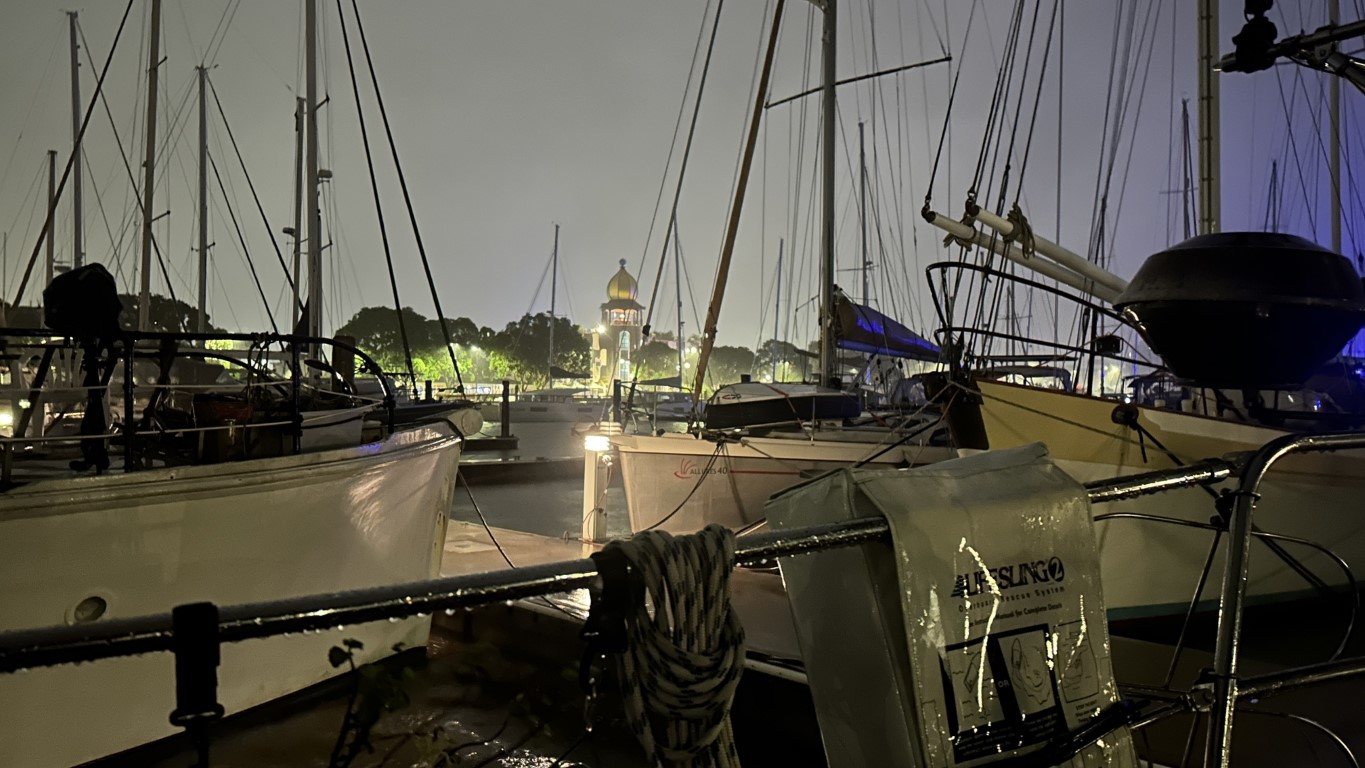
Vaianu arrived right on schedule, though by then it had been downgraded to a tropical depression. Still, it lingered over us for three days, hovering just enough to keep things interesting without ever really crossing into uncomfortable territory. Our plan worked perfectly. The 10+ miles of land knocked the wind down into the 20s at most, and we rode it out with good sleep, solid meals, and knowing we’d made the right call. Compared to Tam, this one felt almost polite.
By the time it passed, we were done with the whole game of bouncing between anchorages every few days, chasing protection from the next system rolling through. March in New Zealand had picked up right where last year left off – one weather window followed by another round of nonsense – and neither of us had the patience for it anymore. So we made the call to extend our stay. The one week booking turned into a month, maybe more, and instead of running from weather, we settled into it. There was work to be done, plans to prepare, and a long offshore passage to Fiji waiting for the right moment. If we were going to wait, we might as well do it somewhere comfortable.