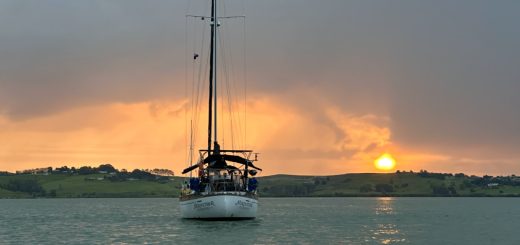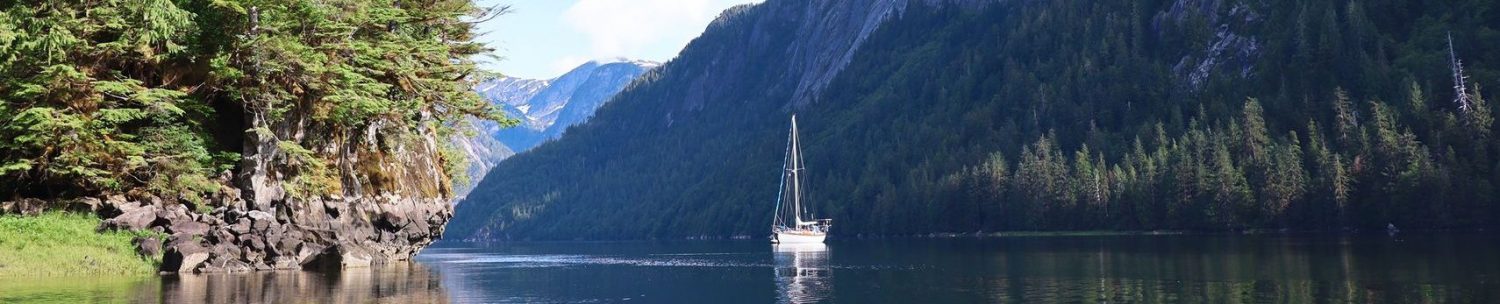
It only gets worse
We were still on Great Barrier Island as the final week of March rolled in, holding onto a bit of hope that the weather might give us a window to leave the greater Port Fitzroy area—maybe even circumnavigate the island. Kerri was still optimistic about that plan. I, on the other hand, was remembering what April looked like last year and wasn’t nearly as convinced. So far, the recent weather was leaning heavily in my favor.
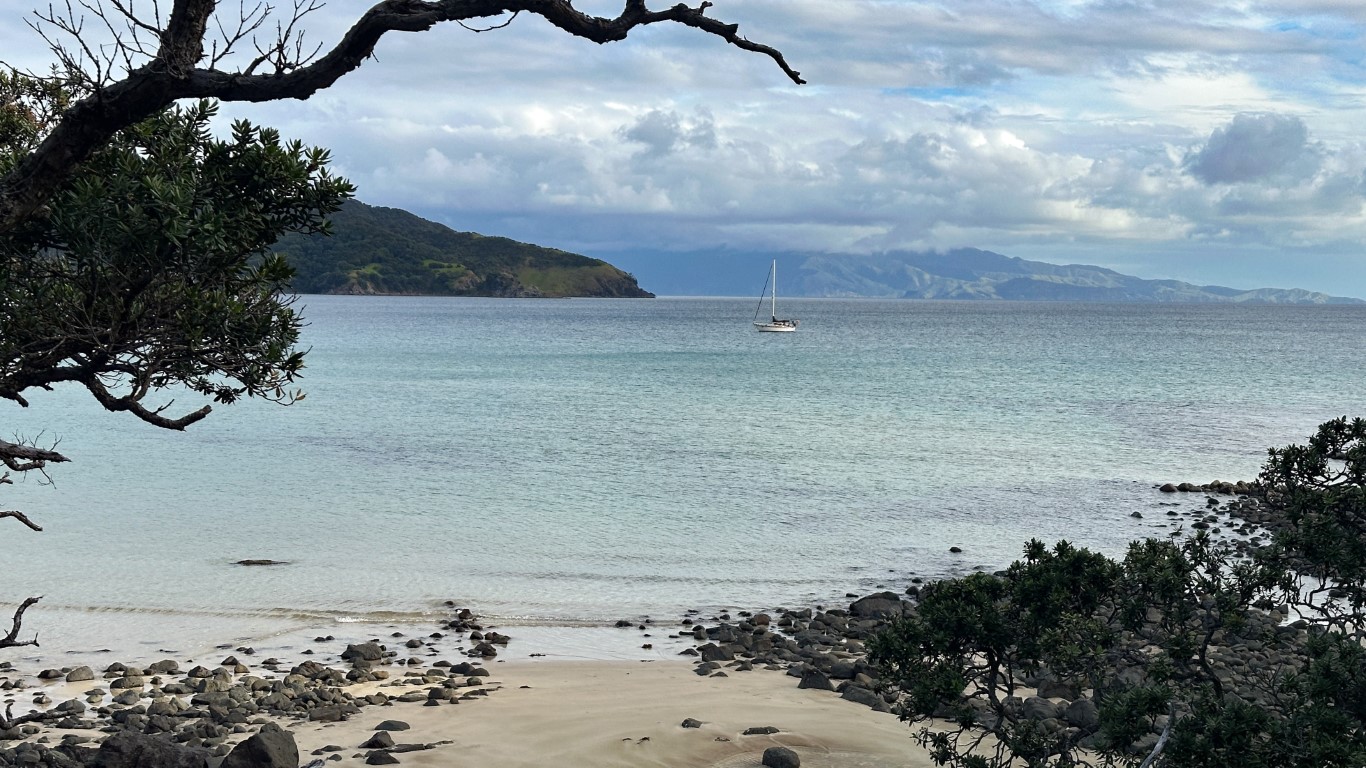
That’s not to say we didn’t have good weather. In fact, when it was good, it was almost too good. Dead calm. The kind of stillness that looks beautiful but does absolutely nothing for a sailboat. With no wind to work with, any thoughts of circumnavigating quickly faded, replaced instead by short motors between nearby anchorages, a bit of light socializing, and a whole lot of work from both of us.
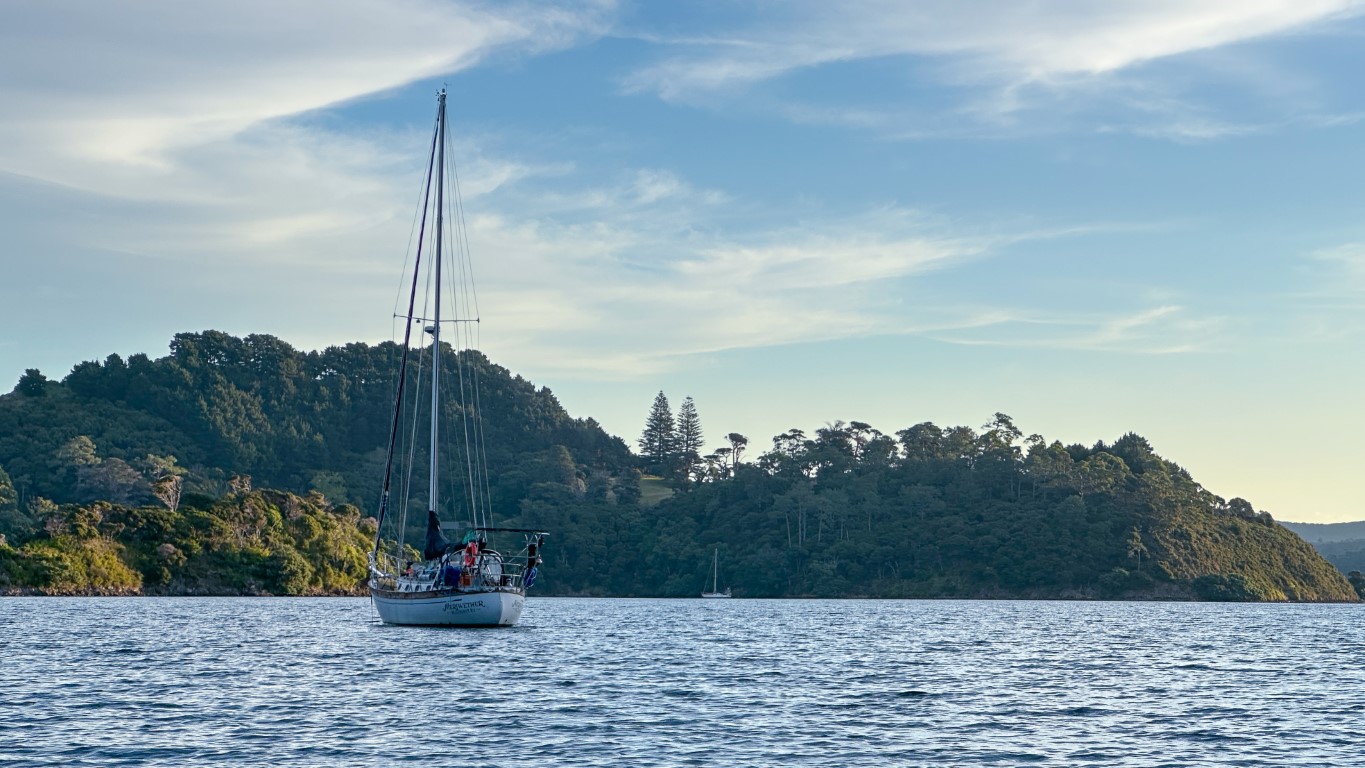
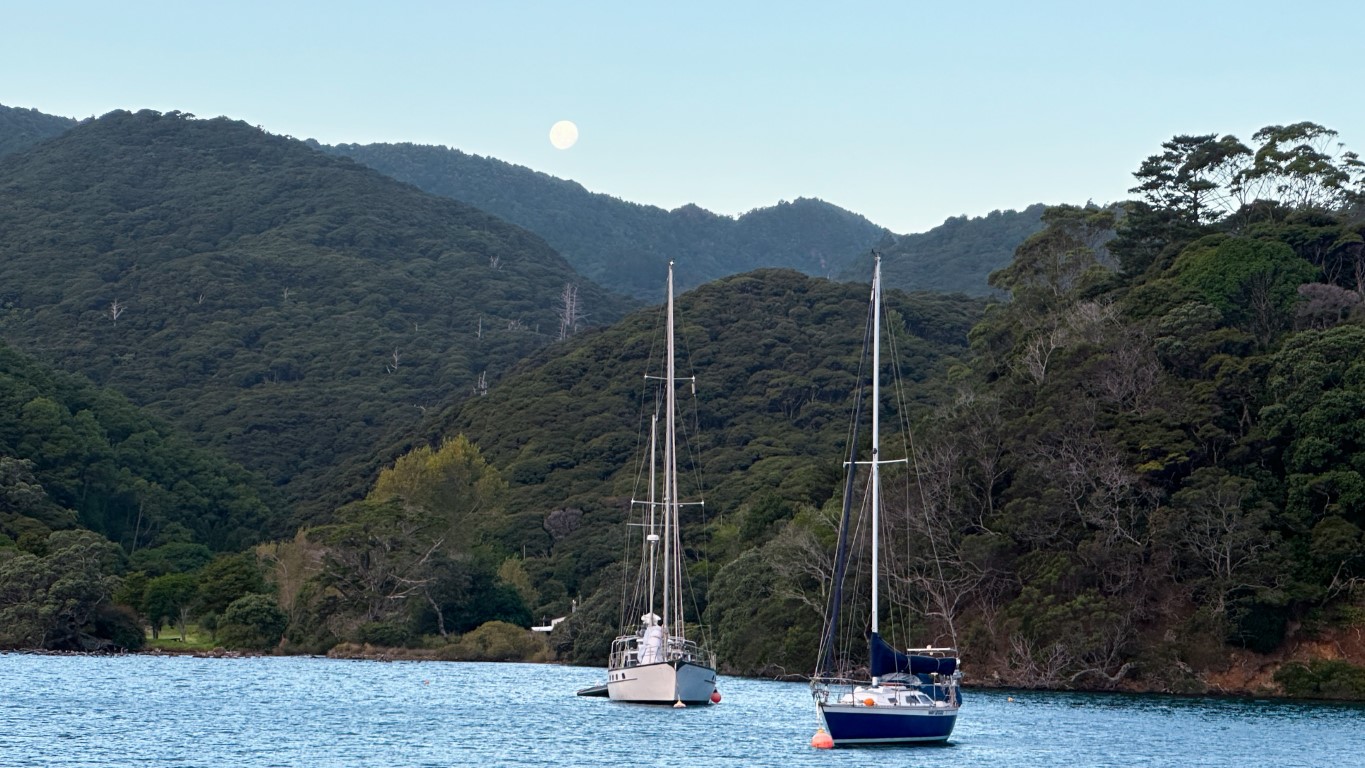
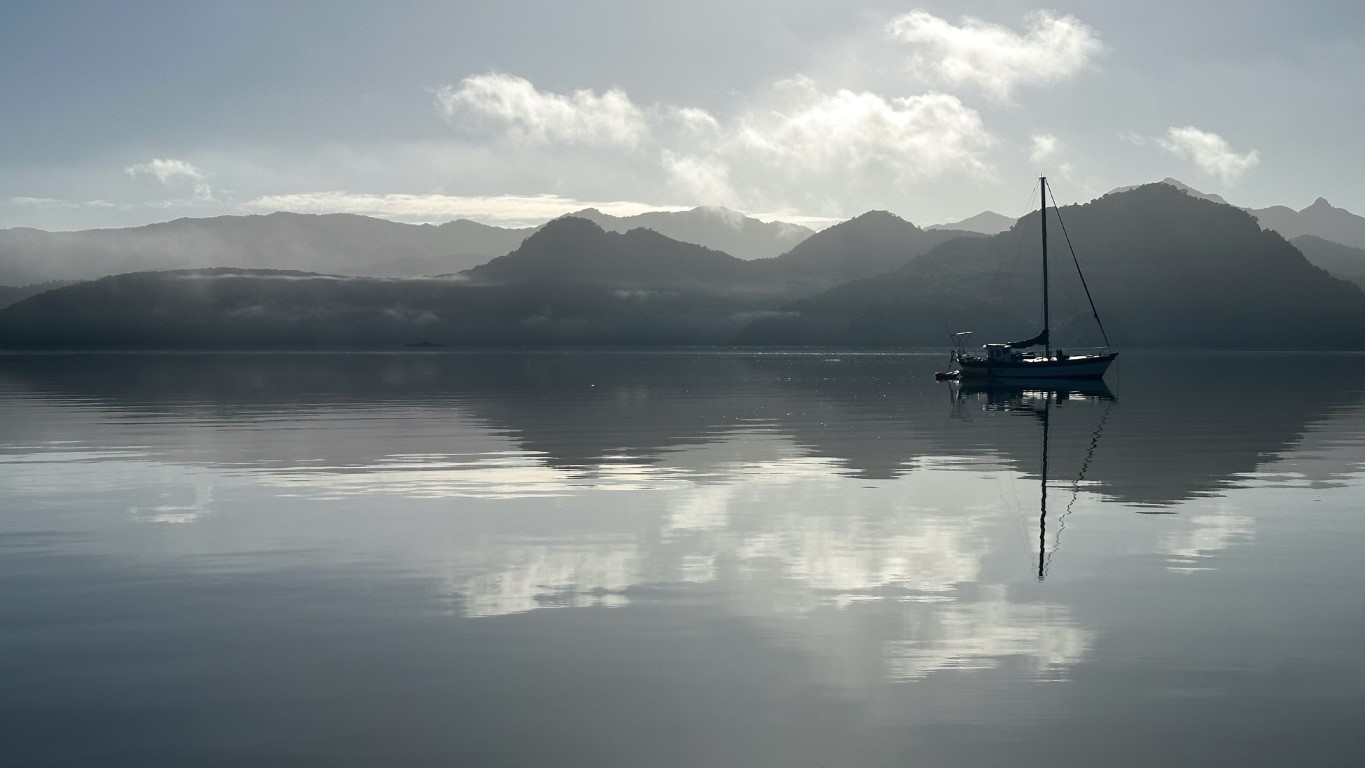
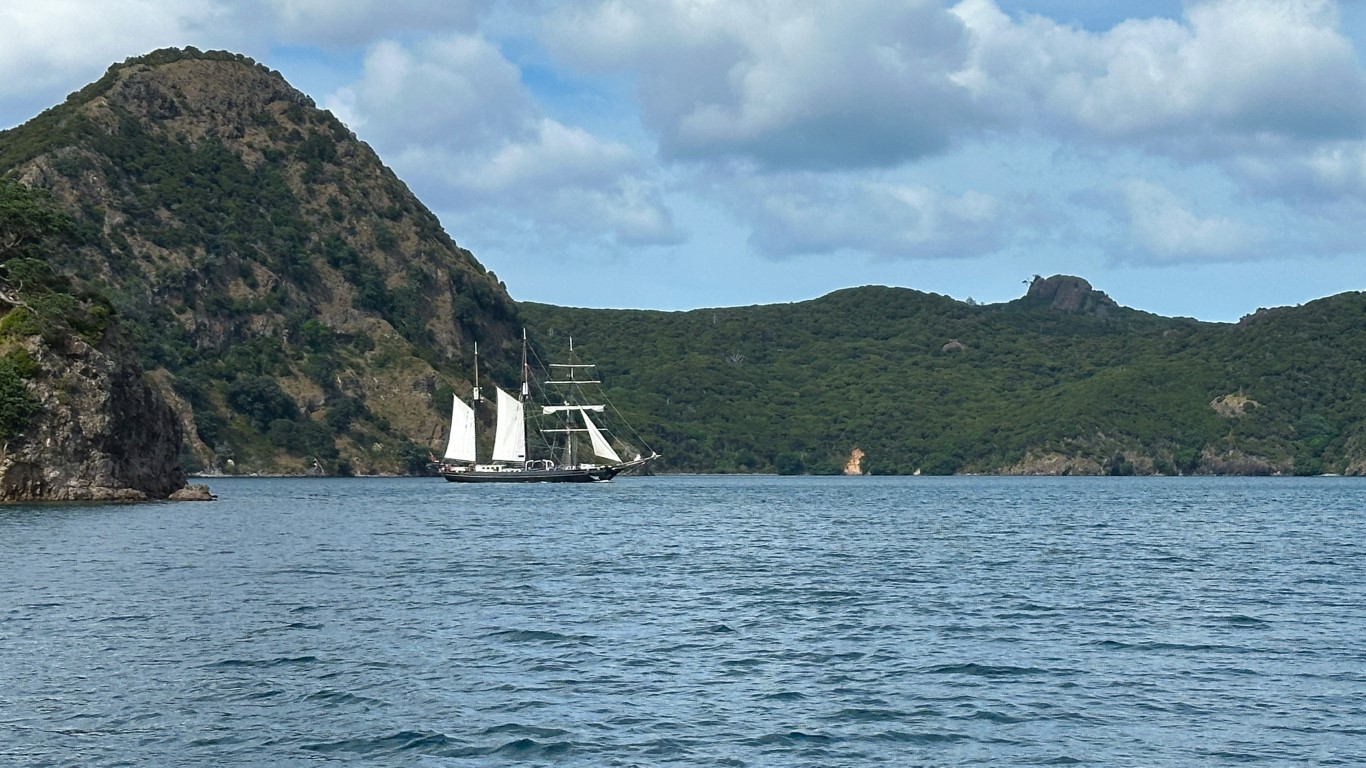
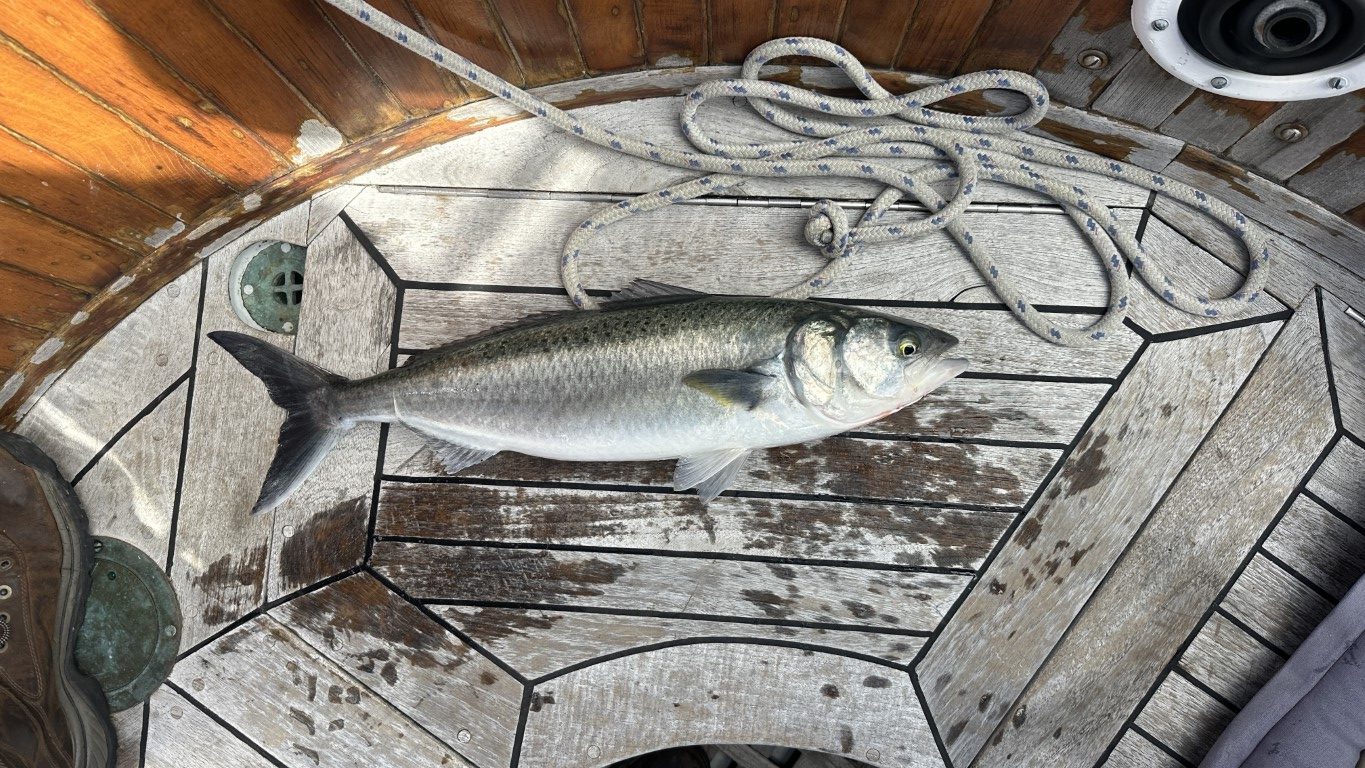
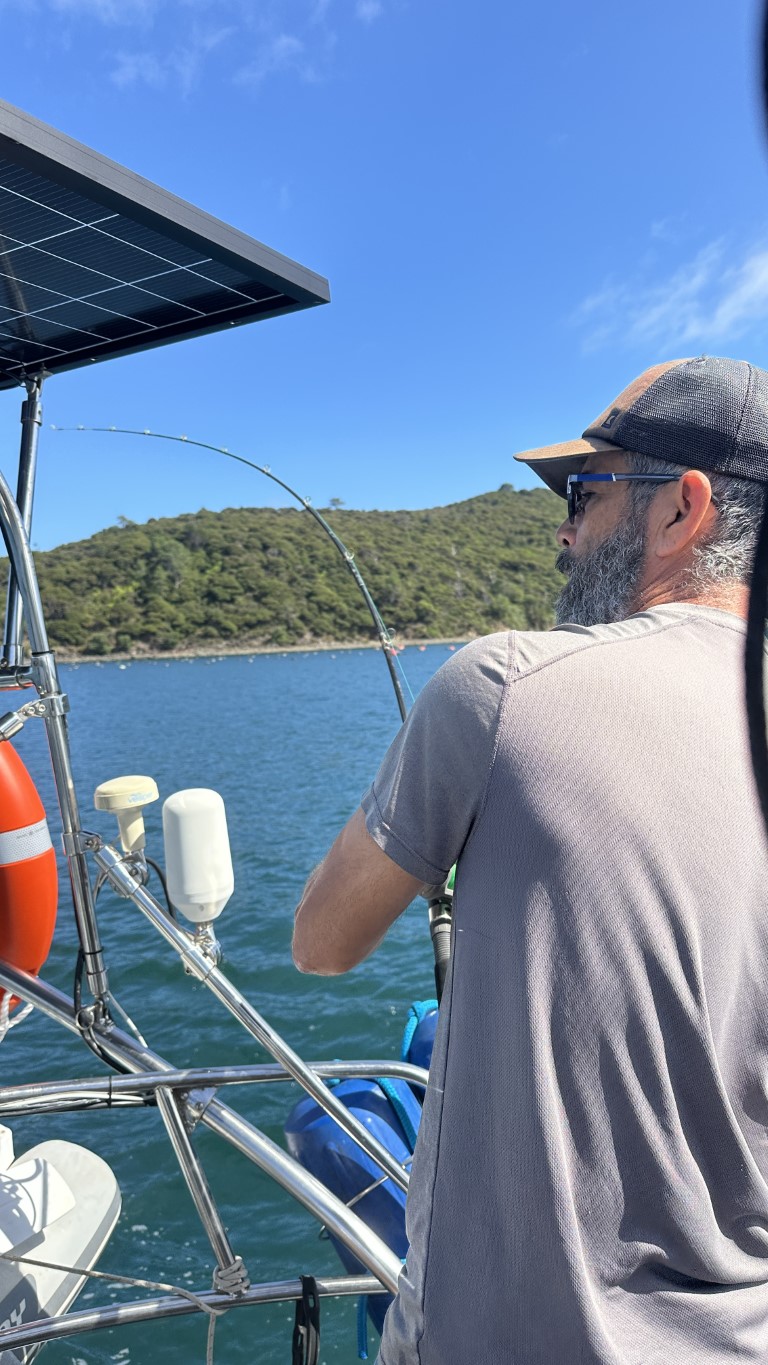 During those slow, uneventful hops, I’d occasionally drag our one and only rusty fishing lure behind the boat—more out of boredom than expectation. But in these waters, something always seems to take the bait. It adds a brief spike of excitement to an otherwise quiet hour of motoring. Most of the time I release whatever I catch. I’ve never had much interest in killing something unless I’m actually going to eat it, and even then seafood doesn’t exactly top my list.
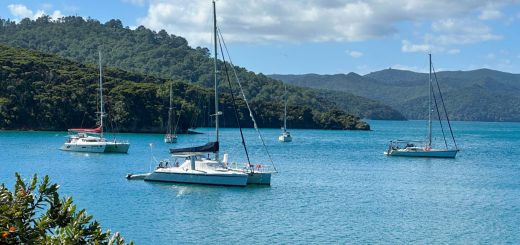
Eventually, the calm gave way to something far more serious. A proper wind event rolled in, and we tucked into what we thought would be a well-protected bay based on the forecasted direction. Within hours, it became clear we had misjudged it. A valley at the head of the bay was funneling the wind straight at us, amplifying it in a way that made things far less comfortable than planned. With even stronger winds forecast for the following day, we made the call to move. We shifted to another anchorage, this one backed by steep cliffs with no terrain features to channel the wind directly onto us. We weren’t the only ones with that idea—about a dozen boats had already gathered there. Over the next three days, we experienced the strongest winds we’ve ever sat through at anchor: 47 knots.
Numbers don’t quite do it justice. Much like earthquakes, each jump in wind speed doesn’t feel incremental—it feels exponential. Twenty knots is manageable. Thirty gets your attention. Forty has you fully dressed and ready for anything. Forty-seven is something else entirely. The sound alone is overwhelming—wind screaming through the rigging and around the hull like something undead, constant and relentless, as if it’s just outside the walls and not waiting for an invitation in. A few boats dragged anchor. One had to sail off to another anchorage mid-storm.
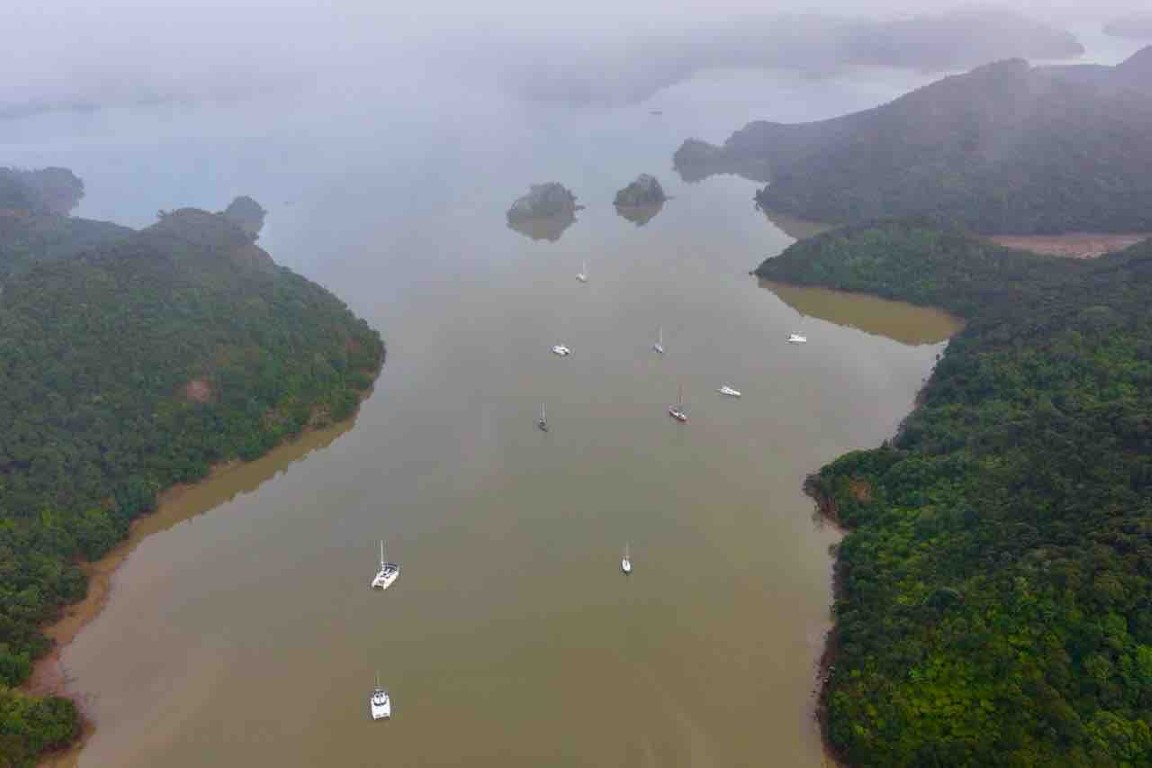
When the weather finally moved on, it left behind a very different scene. The calm, teal waters we’d grown used to were churned and murky, the aftermath of three days of the sea trying its best to rearrange everything, Meriwether included. But we made it through, and almost immediately the pattern resumed—three days of calm, another storm on the horizon.
On that final calm day, a small window opened. Not much, but just enough. There was finally enough wind to carry us out of Port Fitzroy and down the coast toward Tryphena Harbour, where we planned to sit out the next blow. It was a five-hour trip, four of which we managed under sail—the first time we had even raised a sail in 2026. Every mile before that had been powered by the diesel-donkey. It felt good to finally be moving the way we’re meant to.
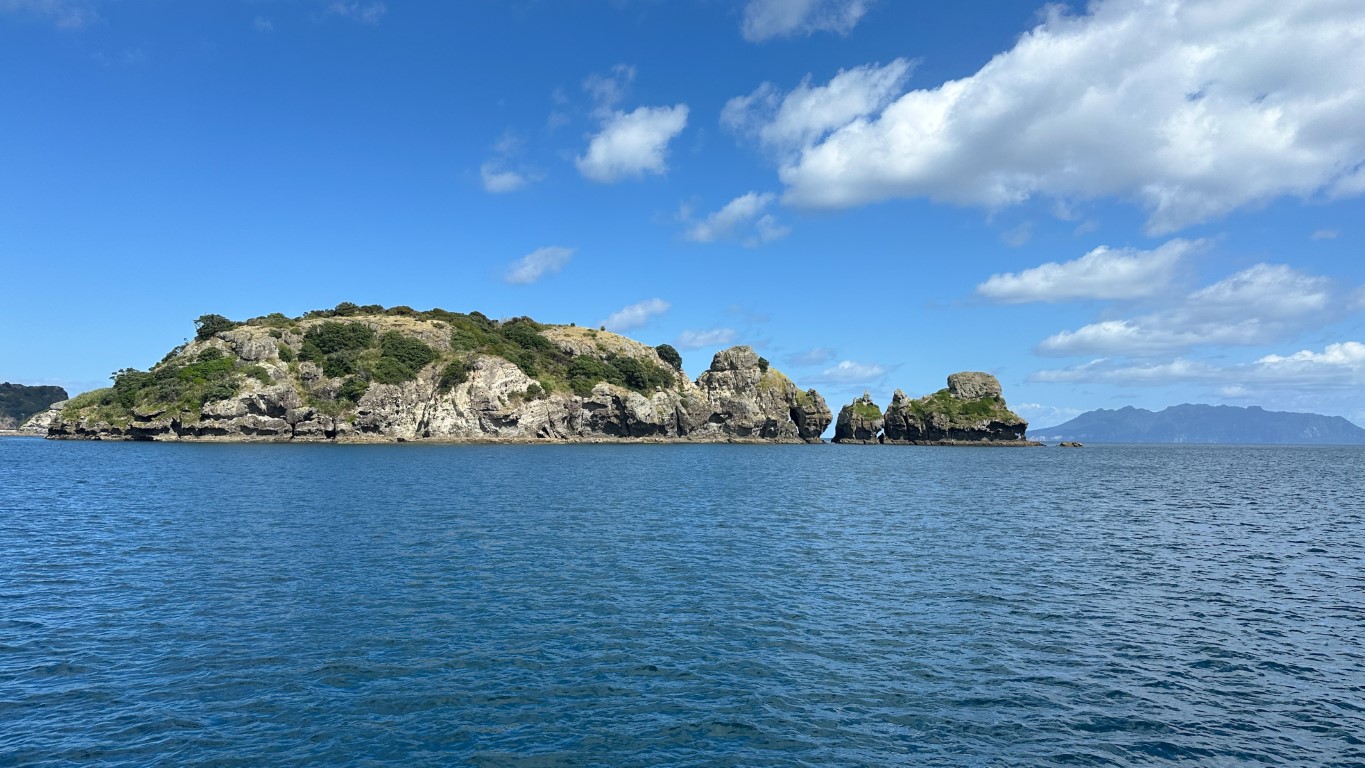
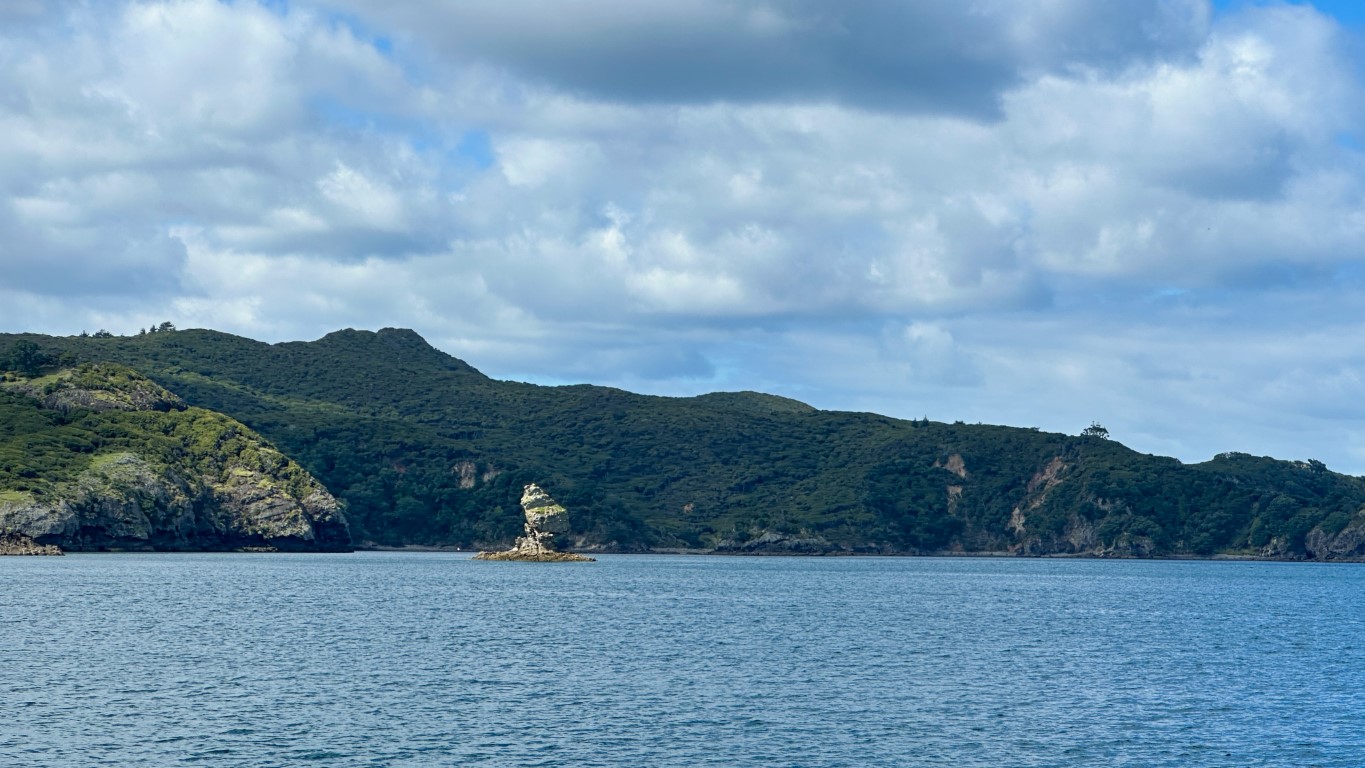
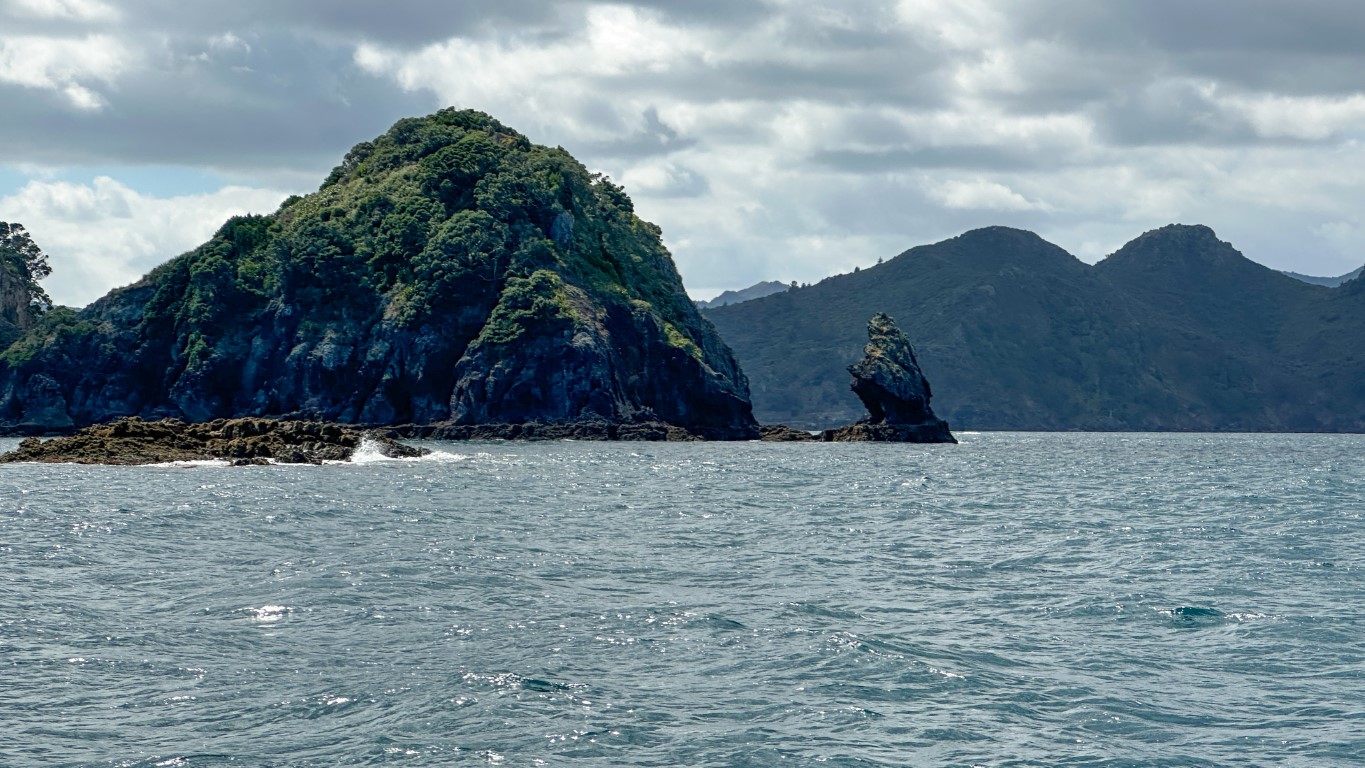
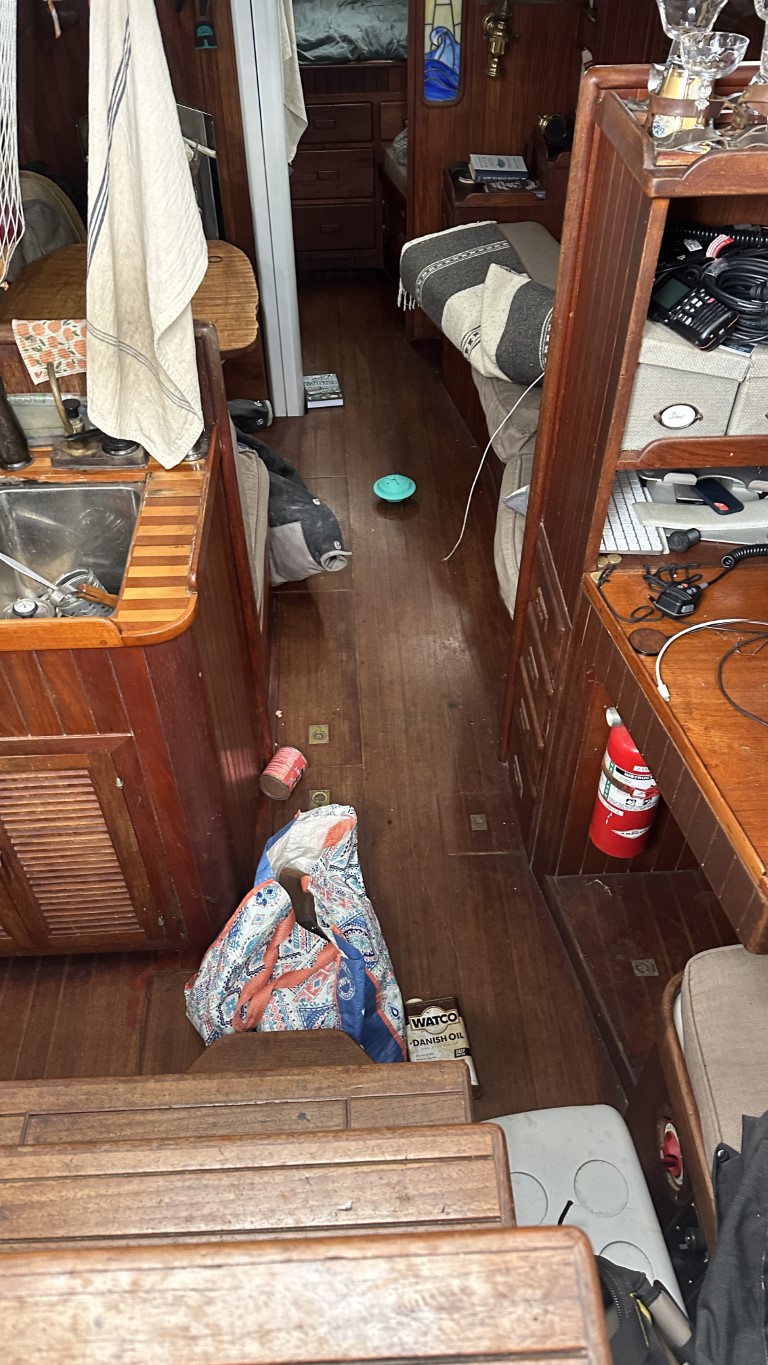
The sail itself was a mix of conditions. It started easy, with light winds on the beam, then built into low-20-knot headwinds that had us reefing down and tacking our way south. It was good practice after nearly a year away from it, and I was happy to be back in the rhythm. One skill we clearly hadn’t retained was securing the interior. Each tack sent something sliding or crashing across the cabin. We’d clean it up, only to tack again and watch it all undo itself in the opposite direction. This repeated itself for most of the sail until we finally pulled into Tryphena.
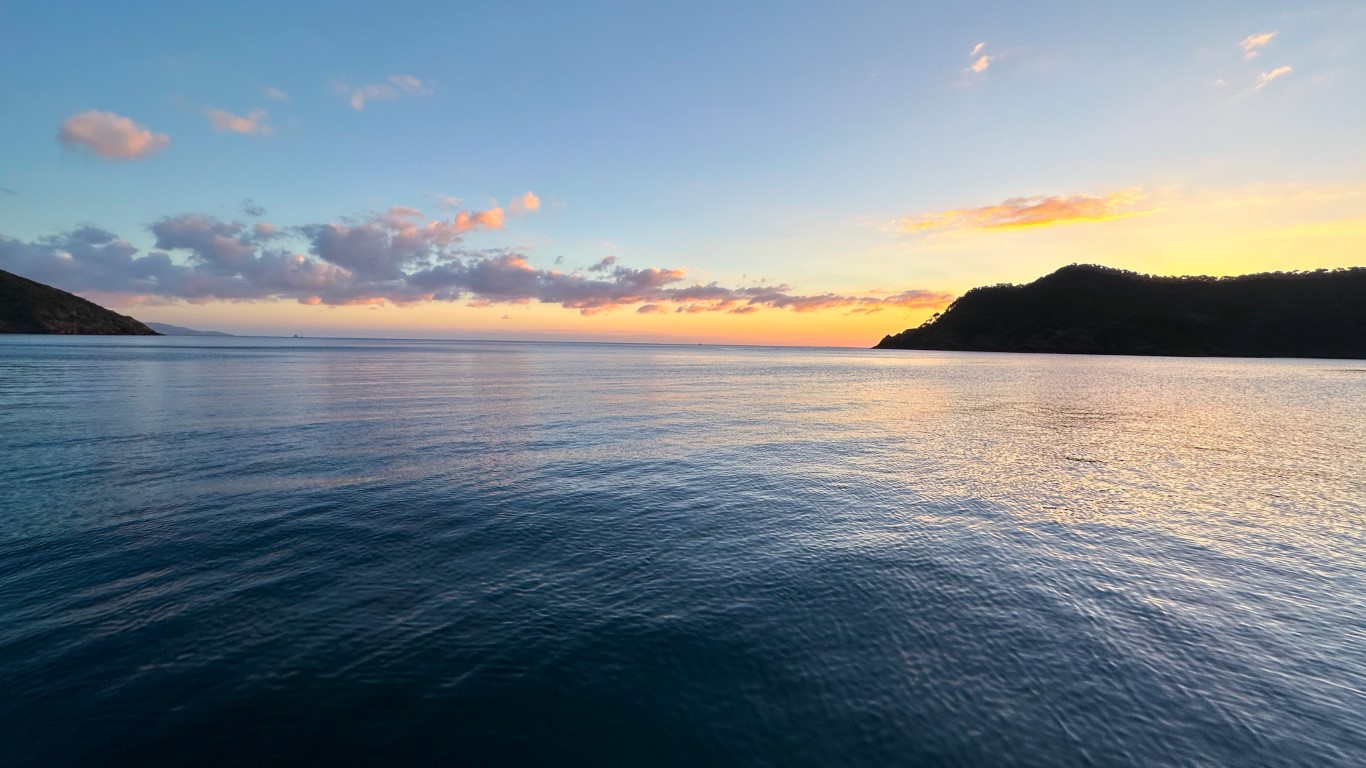
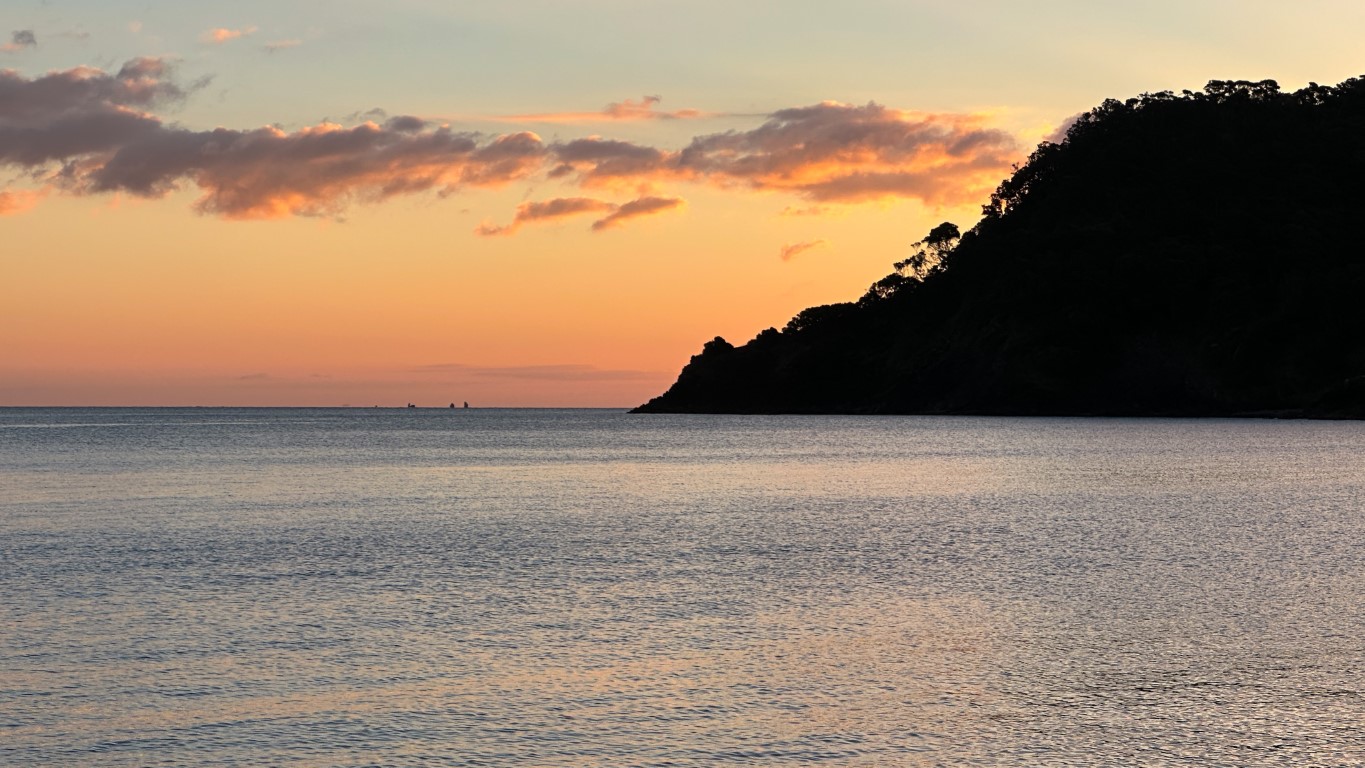
After dropping anchor, we headed ashore and found the Irish pub just up the road. A couple drinks and a solid meal later, we made our way back to Meriwether for another sunset cocktail and turned in for the night. It felt good to have finally left Port Fitzroy behind.
At the time, we thought this would be the start of the next leg. We didn’t know it at the time, but this would be our only night in Tryphena. All our plans were about to change.