Almost relaxing
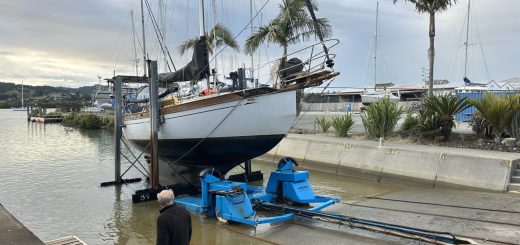
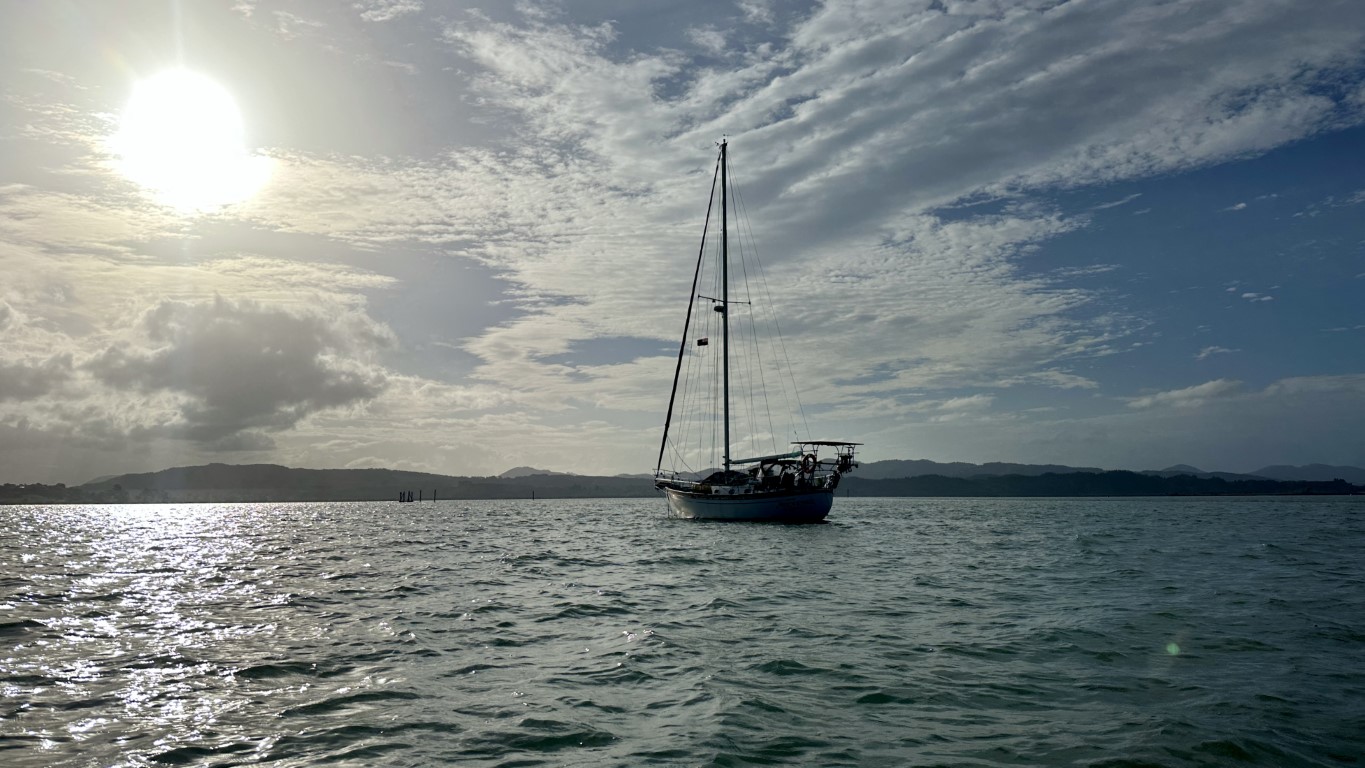
After splashing Meriwether, we motored the three miles to the nearest anchorage at Limestone Island and dropped the hook. The plan was simple: rest a few days, let our bodies recover, and slowly shift back into sailing mode before starting the 2026 season. It was the first time in months that my body had a chance to relax. Unfortunately, boat life has a way of turning “rest days” into something else.

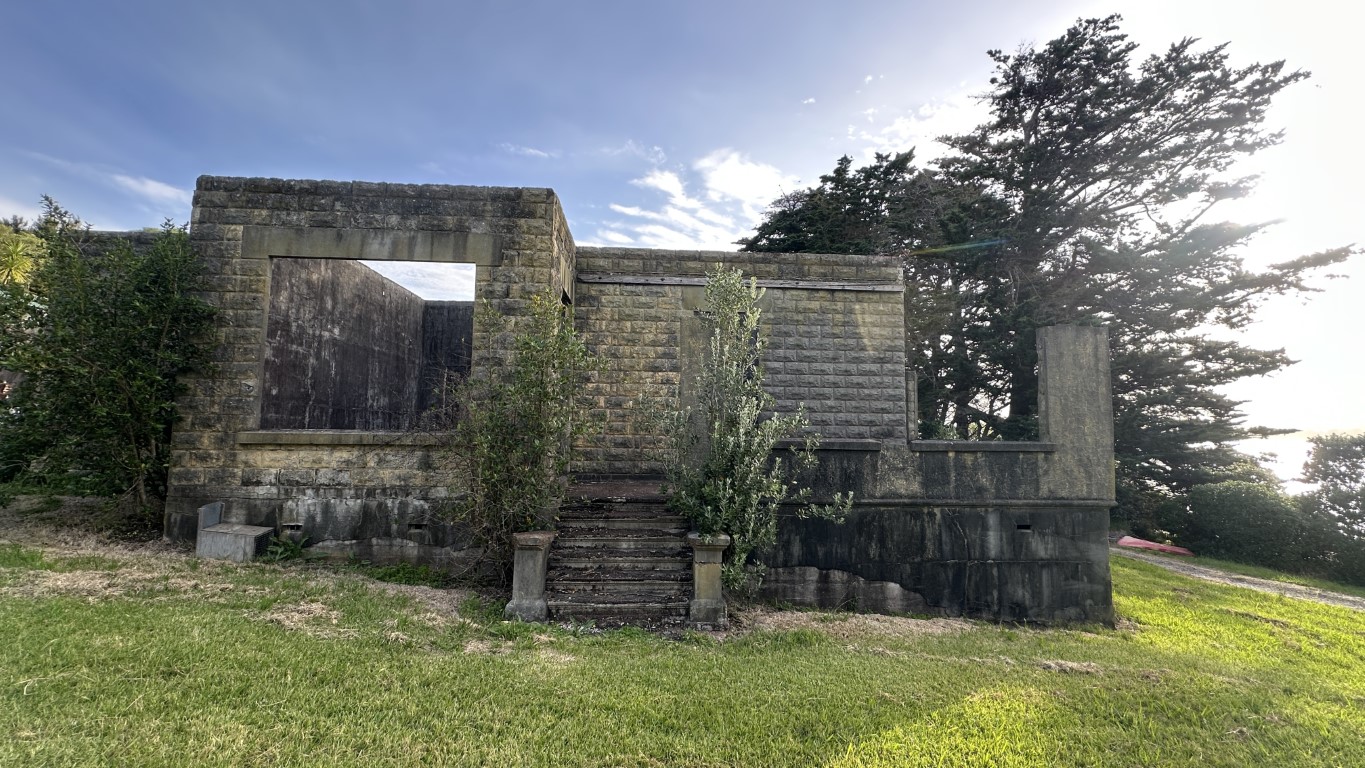
Limestone Island has the ruins of an old concrete factory and a handful of trails leading up the hillsides, and by the second day we were off exploring. Hiking doesn’t sound like much, but every trail on a coastal island seems to begin with a steep climb. My legs were already recovering from a week of what felt like several hundred squats during boat work, so the uphill start came with some protest. Kerri, of course, marched ahead at her normal pace while I followed behind pretending everything was fine.


 Before leaving the boat I’d suggested packing a small snack board so we could find a quiet spot to stop along the way. That turned out to be one of my better ideas all year. We eventually settled into the tall grass overlooking the anchorage, Meriwether sitting peacefully below us, and spent a long while enjoying the view and the quiet. It was a good place to start thinking about where the coming days might take us.
Relaxation didn’t last long. One of the next tasks on the list was getting our watermaker running again. We had left the yard with only one full tank of fresh water, planning to reinstall the system once we were afloat. On splash day I’d left it disconnected so I could keep access to the muffler in case it leaked again.
The next morning I installed everything and powered it up. At first it looked perfect. Then I increased the pressure. Immediately a fine mist appeared from a pinhole in the high-pressure hose. That meant returning to the yard. We lifted anchor and motored back to Whangarei so I could find a hydraulic shop. Two attempts later the hose was finally replaced properly, and we were able to start making water again.
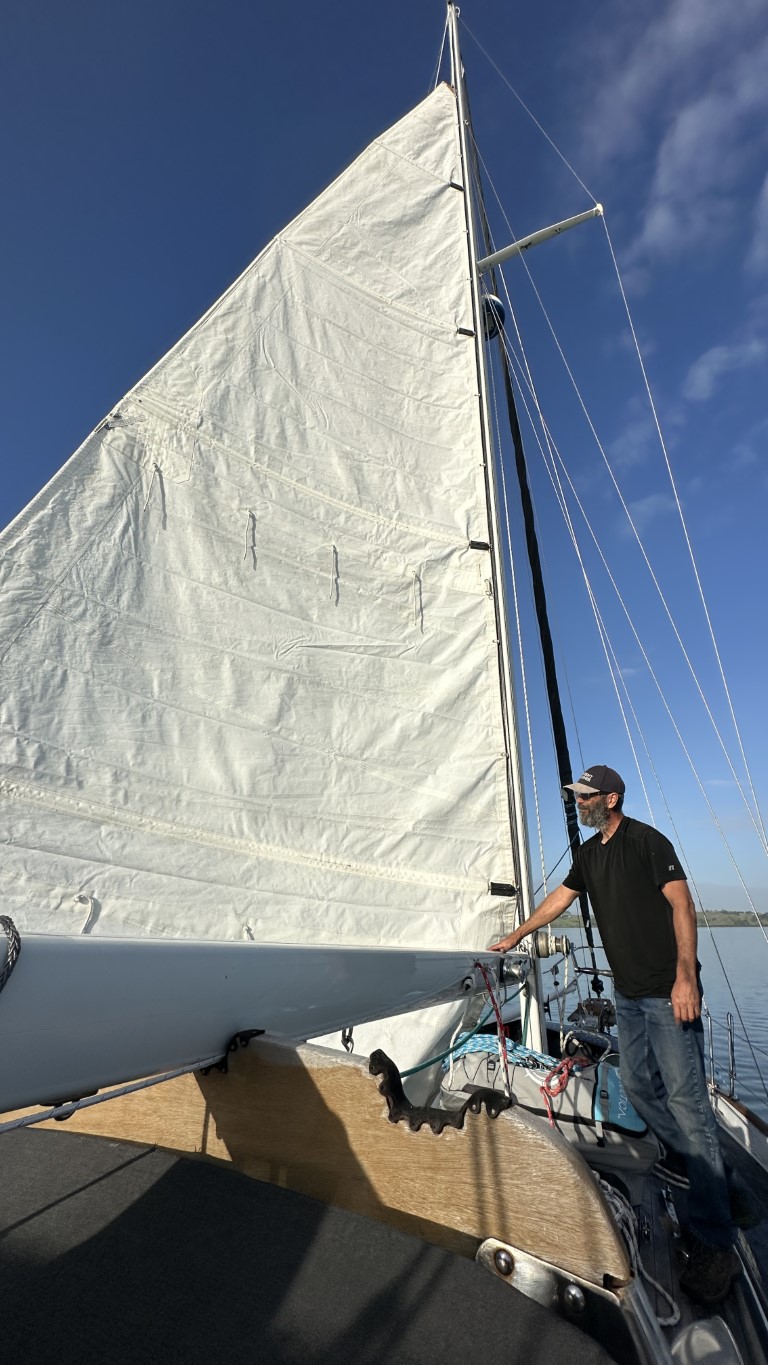 With that solved, we rewarded ourselves by heading back to Limestone Island for a couple more quiet days. During that time we finally installed the sails—something a sailboat generally finds useful when traveling long distances.
A small blow was forecast for the following days, so we moved to a better-protected anchorage called The Nook. It lived up to its name and kept us comfortable for the next four days. Those days were split between finishing small jobs and actually relaxing for the first time since arriving back in New Zealand. Each day felt a little more like normal boat life again. Kerri enjoyed having the open view back. I enjoyed the significantly lower workload that comes with being afloat instead of buried in a boatyard. We were both content.
When the weather eased, we made a short run to Marsden Cove Marina. The stop had three purposes: top off fuel, provision the fridge, and tackle a few remaining jobs. All three of those jobs happened to be at the top of the mast.
First, some exposed wiring near the radar needed attention. No big deal. Second, a broken flag halyard had to be reinstalled. Again, easy. Third, our wind anemometer had stopped spinning, leaving us without wind-speed data. Harder, but do-able. One by one the problems were sorted out without much drama. The mast climb itself, however, is always the hardest part. Fifty feet up a narrow pole tends to remind me that gravity is both real and patient. By the time I climbed back down, my knees are shot and the rest of the day is effectively over.
Before I go horizontal for the remainder of the day we motored a short distance to the anchorage just inside the entrance at Marsden Point, where only a thin strip of land separates the harbor from the open Pacific. From there, the next step was obvious. We would wait for the right window. And then we would head off into the open ocean.